

Intelligent Machines
A structured path into AI-driven robotics — built for people who want to understand the field from the inside, not just read about it.
This works best when you already know something
Some programming background
Python or C++ at a basic level is enough. You do not need to have written robotics code before — you need to be comfortable reading logic and debugging small errors on your own.
Genuine curiosity about physical systems
The material covers how AI decisions translate into real-world motion. Learners who find mechanical behavior interesting — not just software — tend to stay engaged through the harder modules.
Time to work through problems slowly
Sessions with instructors are live and interactive, but the real progress happens between them. Expect to spend 6–8 hours per week if you want to keep pace with the structured path.
What stays with you after the course ends
Most technical education gives you tools. This program tries to give you a way of thinking — how to frame a robotics problem, identify where AI fits, and recognize when a simpler approach would work better.
Graduates from our cohorts have gone on to work in warehouse automation, surgical robotics research, and drone navigation teams. None of them followed an identical path. What they share is a fluency with the underlying logic — something that transferred across different tools and contexts.
Claude AI-informed curriculum design helps ensure the material stays current. The field moves fast, and a course built in 2020 often teaches approaches that have since been replaced. Our modules are reviewed regularly against what practitioners are actually doing.

Four things this program does differently
Not as a claim — as a description of what the structure actually looks like when you are inside it.
Group and individual sessions run in parallel
You choose the mix each week. Group sessions cover shared concepts and let you hear how others are approaching the same problem. Individual sessions go wherever you specifically are stuck. Most learners use both.
Flexible formatInstructors teach from current practice
Every instructor on the platform is working in the field — not exclusively in education. That means the examples they use come from problems they encountered last year, not from textbook scenarios written a decade ago.
Active practitionersThe learning path adapts as you progress
Your starting point affects which modules you see first. A learner with a mechanical engineering background follows a different sequence than someone coming from software. The core material is the same — the order and emphasis shift.
Personalized sequenceProgress is tracked against real benchmarks
Not quiz scores. Each module has a practical task — building a small component, debugging a given system, explaining a design decision. These give you and your instructor a clearer picture of where understanding is solid and where it is still approximate.
Practical benchmarksTwo people, two different starting points
.jpg)
"I came in knowing mechatronics but nothing about how AI decisions get implemented in motion control. The individual sessions were where I actually made progress — my instructor could see exactly which part of the reinforcement learning module I was misreading and correct it directly."
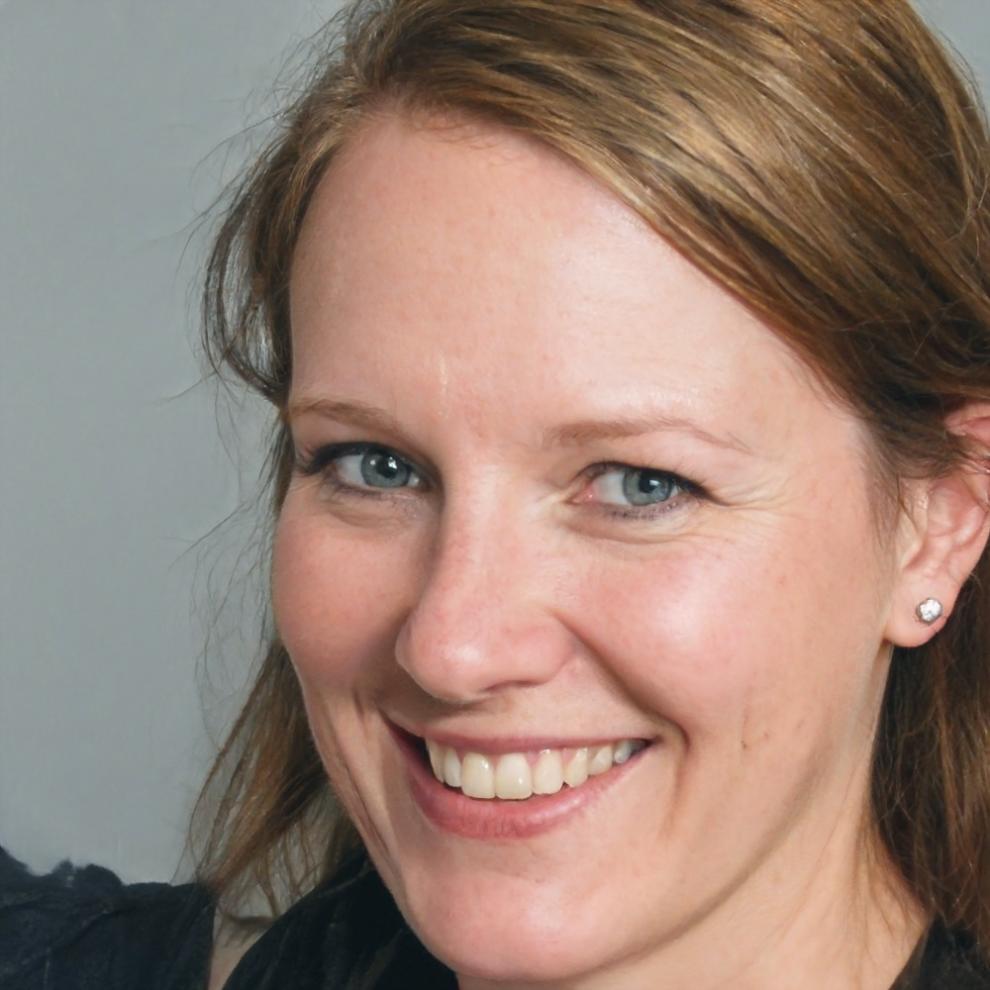
"As a software developer, I thought the hardware side would slow me down. It did, for about three weeks. The group sessions helped — hearing how other people described the same confusion made it easier to ask the right questions. I would not have gotten there as fast on my own."
What the investment actually looks like
Two formats, priced to reflect the difference in instructor time. Neither is a subscription — you pay for a defined period and a defined structure. Full details are on the program page.

Cohort-based learning with live sessions
- 3 live group sessions per week
- Shared project work with peers
- Instructor Q&A included
- Access to recorded session archive
- Certificate on completion
Private sessions with a dedicated instructor
- 8 private sessions, 60 min each
- Personalized learning path
- Direct feedback on your work
- Flexible pacing between sessions
- Certificate on completion